
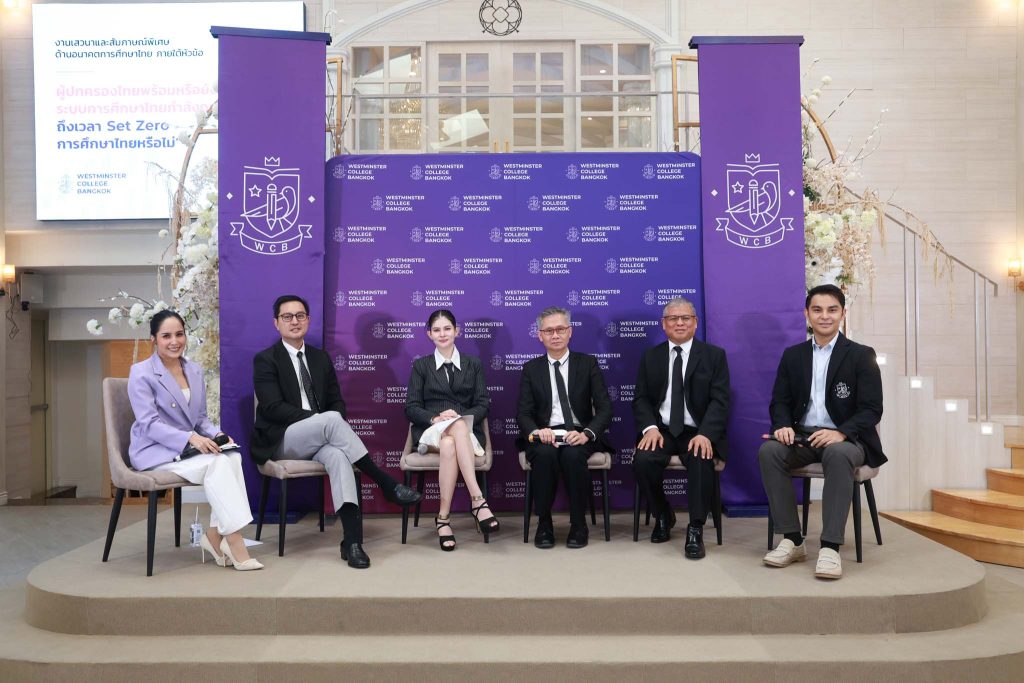
Westminster College Bangkok convened leaders from education policy, higher education, business and parents to explore the future of Thai education in the AI era. The event also marked the launch of the Pearson BTEC International Level 3 Extended Diploma, a UK qualification designed to develop practical skills through applied learning.
Bangkok – Westminster College Bangkok brought together representatives from four key sectors—education policy, higher education, business, and parents—to discuss the future of Thai education in the age of artificial intelligence (AI). The discussion concluded with a shared view that “Thai education does not need a complete reset—it needs to be redesigned.” The panel proposed a new approach to developing learners through competency-based education and hands-on learning, while introducing the Pearson BTEC International Level 3 Extended Diploma as an alternative pathway to prepare students for university and the future world of work.
Artificial intelligence (AI) is transforming the way people work across the globe, from data analysis and software development to content creation and business decision-making. Education systems worldwide are also undergoing significant change, as employers today are looking for more than individuals who achieve high examination scores. They are seeking people who can think critically, solve problems, collaborate effectively, and continue learning throughout their lives.
The key question is no longer whether students know how to use AI. Rather, it is whether the Thai education system is preparing them for a world in which AI has already become part of everyday life.
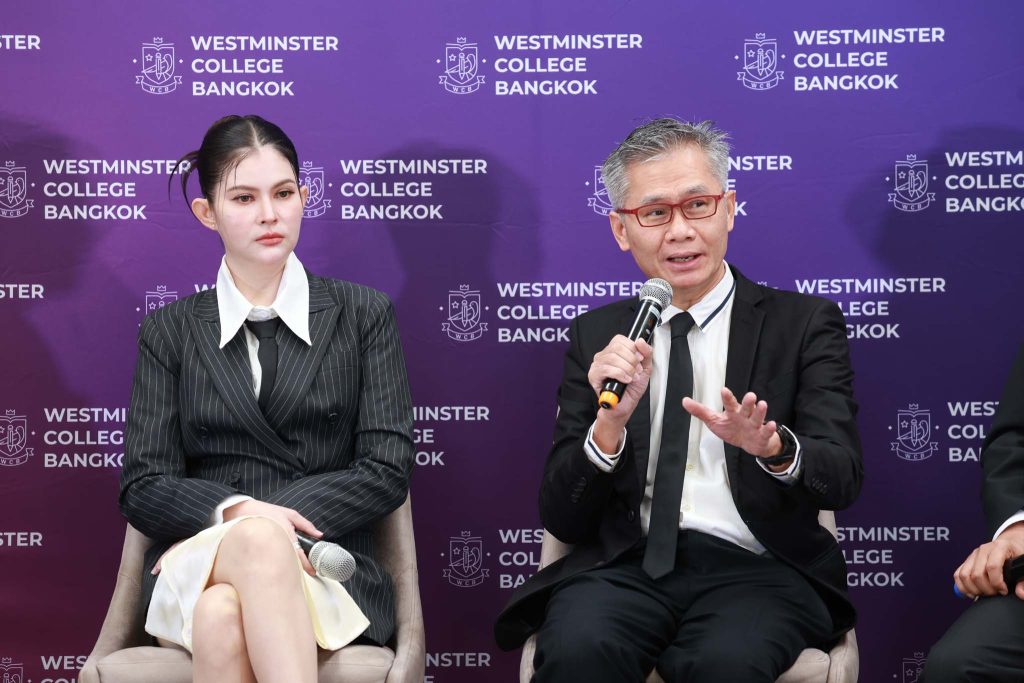
This question formed the central theme of the panel discussion, “Are Thai Parents Ready? Is the Thai Education System Being Disrupted? Is It Time for a Complete Reset?”, organised by Westminster College Bangkok. The event brought together representatives from sectors that play a vital role in shaping the future of Thai students, including education policymakers, universities, employers, and parents. Although each speaker approached the issue from a different perspective, they all reached the same conclusion: Thai education does not need to start from scratch—it needs to be redesigned to keep pace with a rapidly changing world.
A Turning Point for Thai Education: Not About Tearing the System Down, but Redesigning It
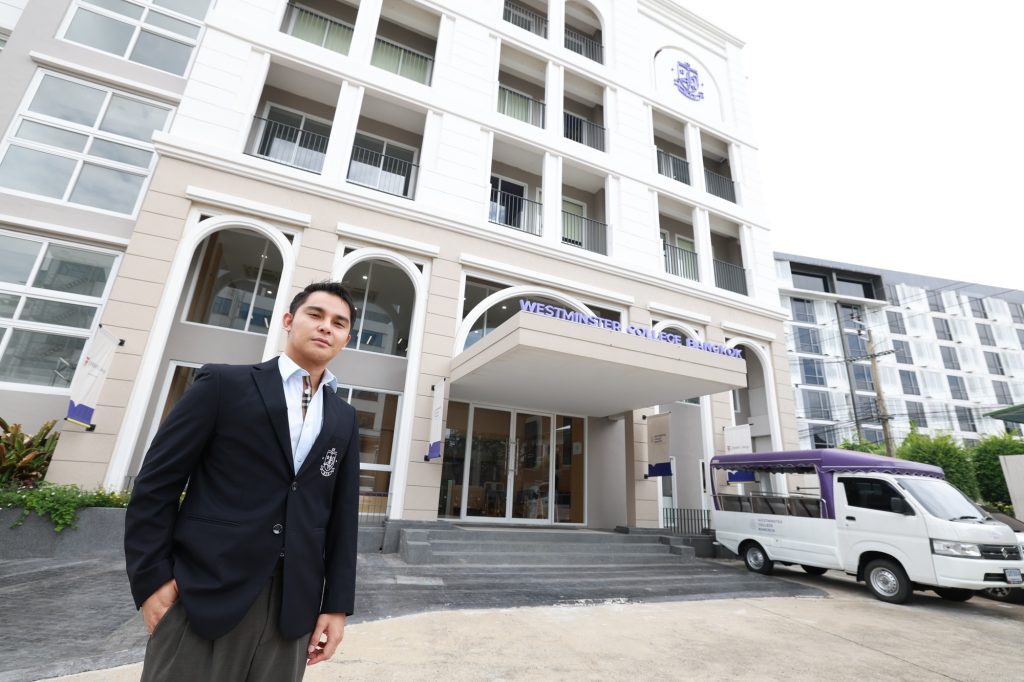
Mr. Treenat Jaiyasarn, Chief Executive Officer of Westminster International Group, and one of the founders of Westminster College Bangkok, said that Thai education is now at a critical turning point. It is time for parents, educators, and the business sector to work together and reassess whether traditional approaches to learning are still fit for the future. The world is changing at one of the fastest rates in history, yet many classrooms continue to rely on teaching methods and assessment systems that have remained largely unchanged for decades, while the labour market has fundamentally changed the way it selects talent.
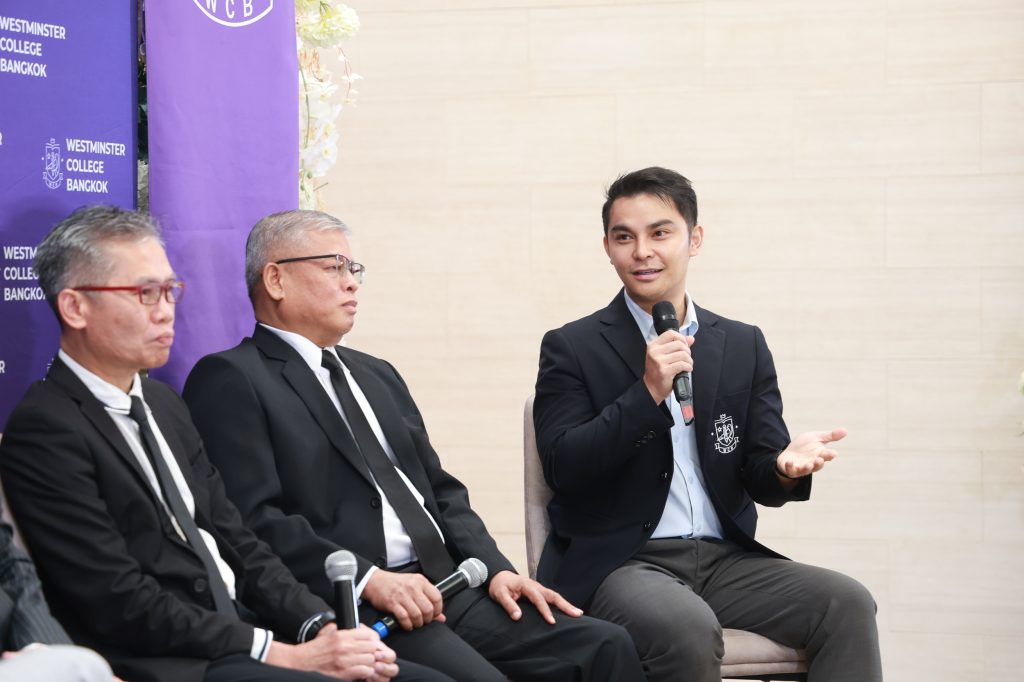
In the past, education placed great emphasis on memorising information. Today, however, AI can search for and process information far more quickly than humans. What distinguishes people is therefore no longer how much information they can remember, but whether they can think critically, analyse, create, and apply knowledge to solve real-world problems.
“Thai education certainly does not need to start all over again. What we need is not to dismantle the existing system, but to enhance and redesign learning so that it aligns with a world where AI has become central to both education and the workplace. At Westminster College Bangkok, we believe the most important question is not which curriculum is the best, but which curriculum is the most suitable for each student’s potential,”
said Mr. Treenat Jaiyasarn.
This perspective was echoed by the policy sector, which pointed out that the pace of change in today’s world has placed increasing pressure on traditional education systems, making it difficult for them to keep up.
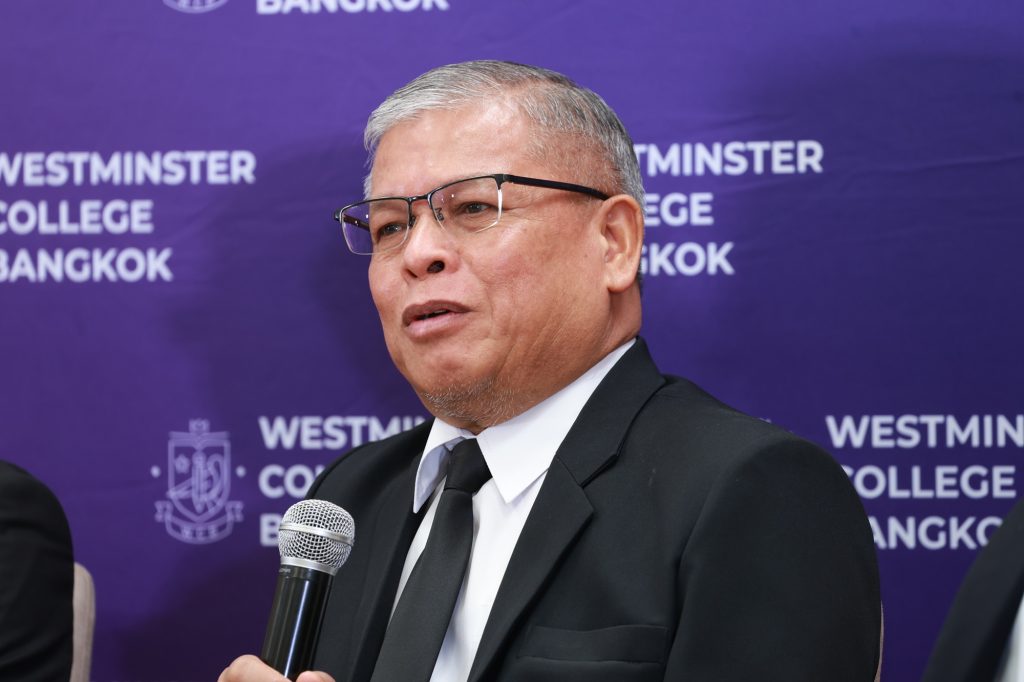
Dr. Bundit Sriputtangul, Member of the Education Council, explained that education laws and curricula typically take many years to revise, while technology evolves every second. The solution, therefore, is not to continually chase changing content, but to transform the learning process itself.
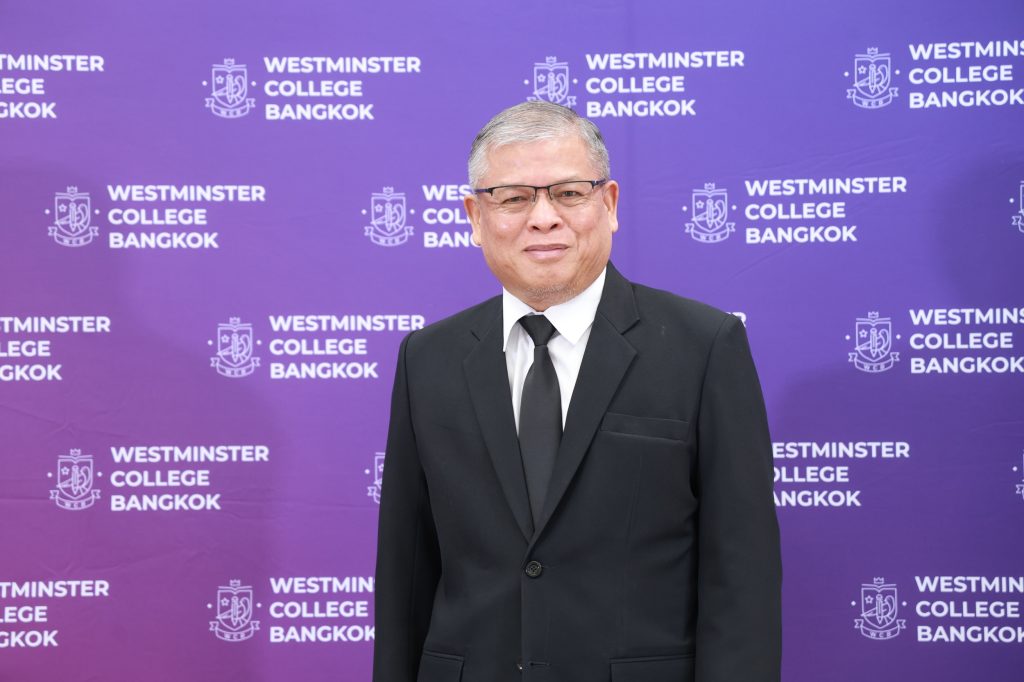
“Each revision of the Education Act takes many years, while the world and technology change every second. What needs to change is the learning process. It must become more open and promote lifelong learning, because we cannot predict what future careers will look like. What we should equip children with is a way of thinking and a problem-solving process that will stay with them throughout an uncertain future,” said Dr. Bundit Sriputtangul.
From Examination Scores to Real-World Competence
Data from a number of leading global organisations consistently show that the most in-demand skills for the coming decade include critical thinking, problem-solving, creativity, communication, collaboration, and lifelong learning—all of which are skills that AI cannot fully replace. More importantly, in an era where AI has become a basic tool, what differentiates learners is no longer the tool itself, but how each individual chooses to use it.
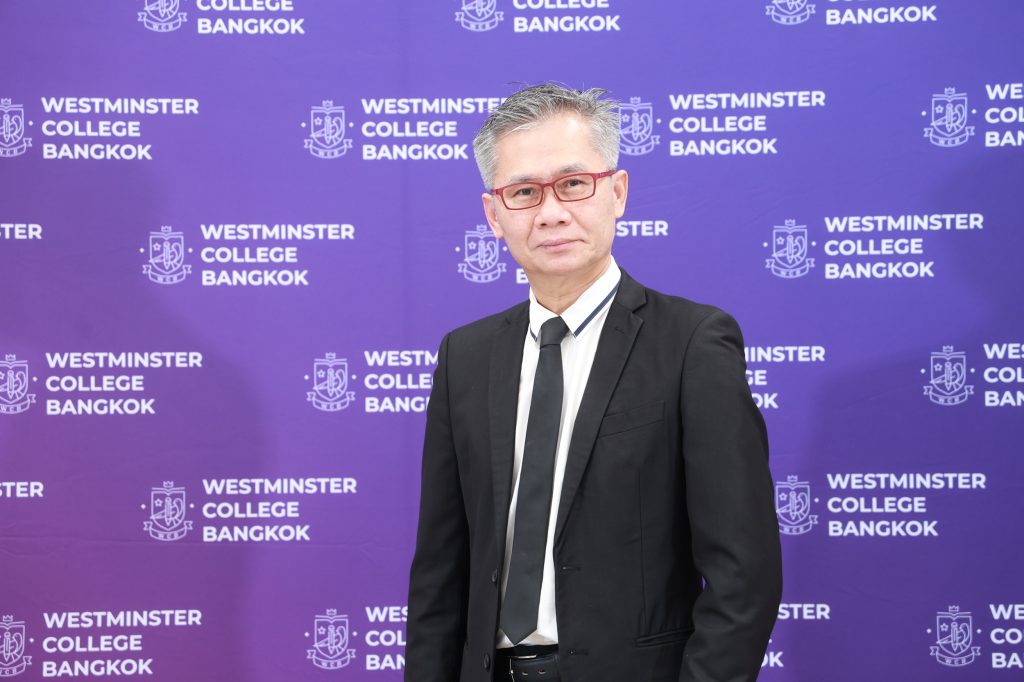
Sharing the perspective of the higher education sector, Assoc. Prof. Teerawat Prakobphon, Faculty of Science, King Mongkut’s Institute of Technology Ladkrabang, said that the way students choose to use AI is increasingly becoming the factor that distinguishes one learner from another. Some students rely on AI to complete assignments without truly understanding the subject, while others use AI as a tool to verify information and further develop their own ideas. The difference lies not in the technology itself, but in whether students possess a strong enough foundation in critical thinking to determine whether AI-generated answers are accurate or not.
This distinction between “knowing” and “being able to do” has also raised questions about whether academic grades should continue to define a student’s value. The objective of education, he suggested, should shift from producing students who are good at answering examination questions to producing students who are capable of applying what they have learned in real-life situations.
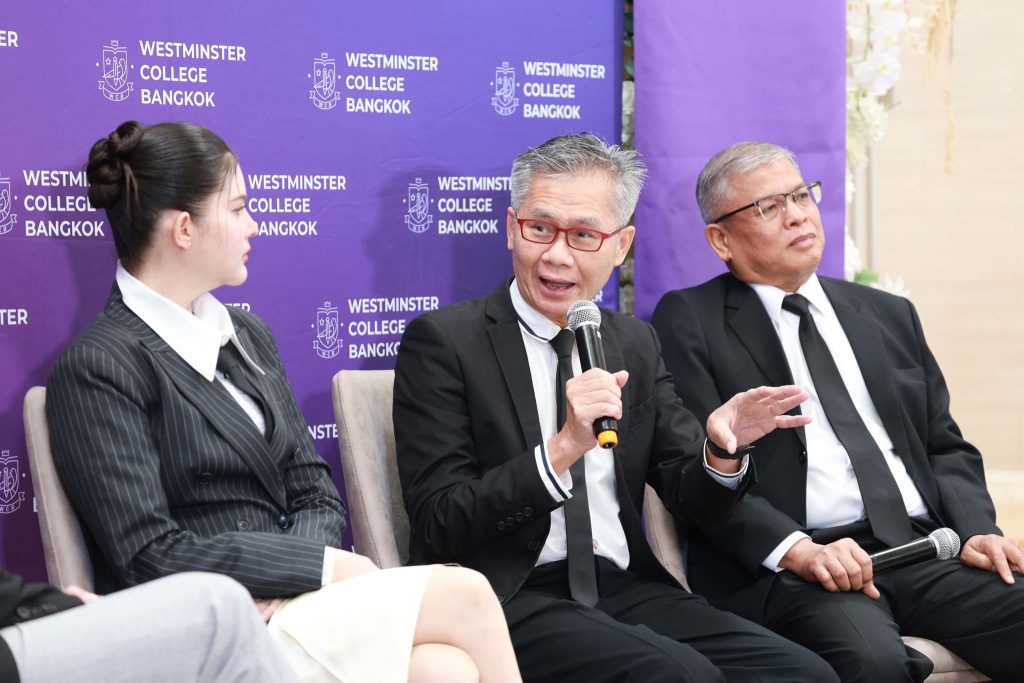
“We need to teach students how to apply what they learn, not simply how to excel at answering examination questions. If students are only good at solving exam papers, AI can already do that. Grades merely indicate what a student has completed; they do not necessarily reflect capability. What universities and employers are really looking for is competence—the ability to perform in real-world situations,” said Assoc. Prof. Teerawat Prakobphon.
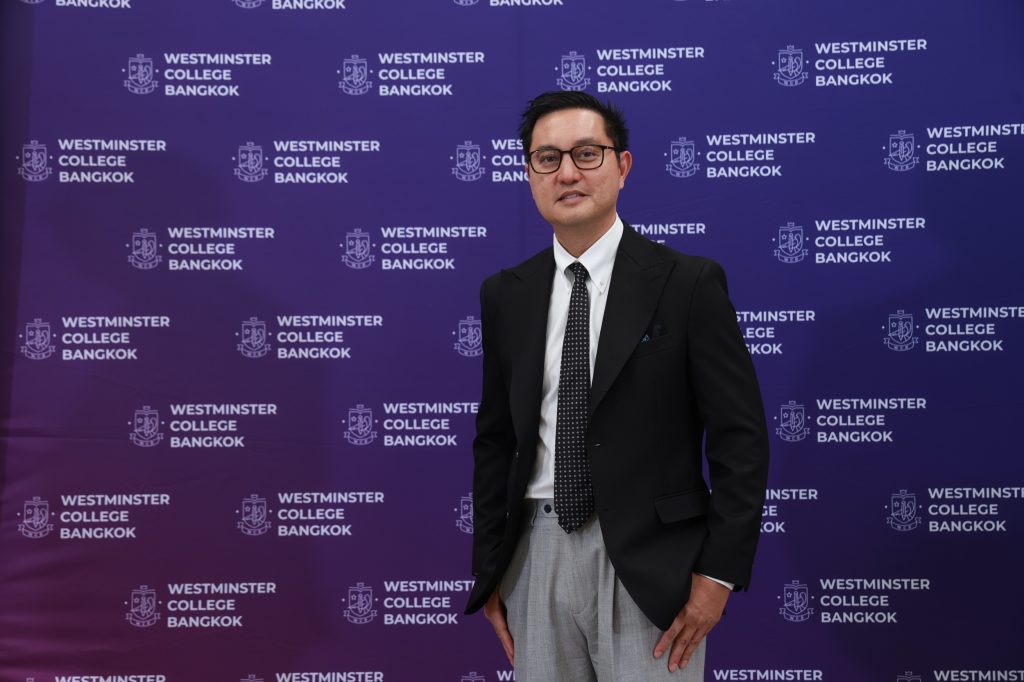
The business sector, representing the end destination of the labour market, shared the same view. Mr. Akarat Nitibhon, Founder, Executive Producer and Host of Ryunoi100lan, and Chief Executive Officer, Truffle A Co., Ltd., said that the challenge facing many new graduates today is not a lack of knowledge, but a lack of ability to turn knowledge into tangible results, as well as a lack of ownership and accountability for their work.
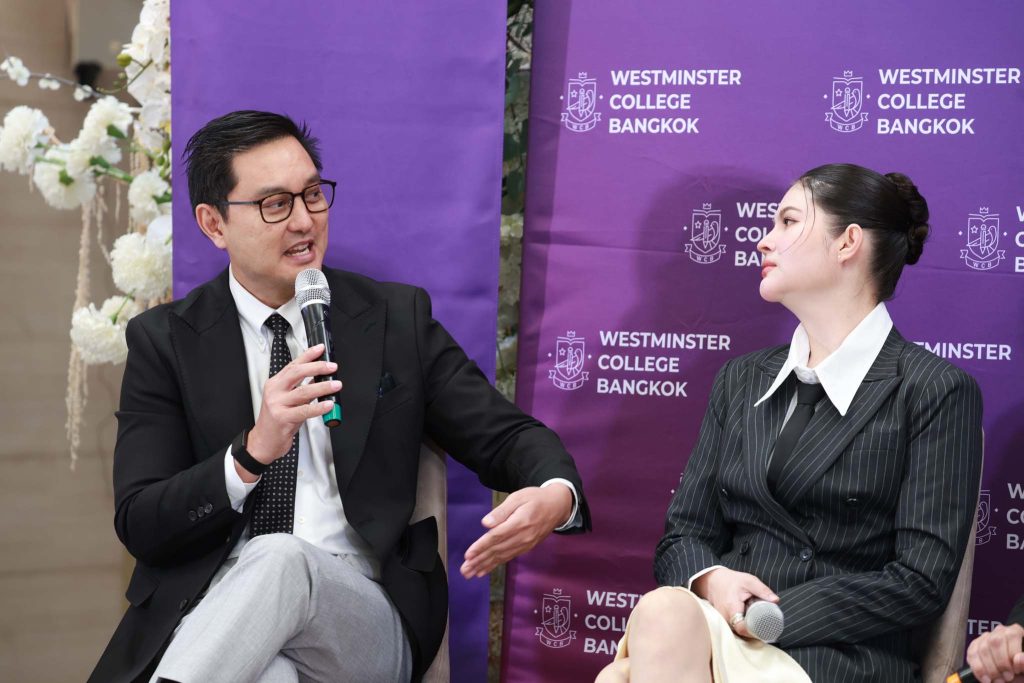
“Many young people today say they’ve already asked AI. But AI is not responsible for the outcome—people are. Employers are not looking at grades alone. They are looking for people who can turn knowledge into results, take ownership of their work, and be open to feedback so they can continue improving,” said Mr. Akarat Nitibhon.
With all three sectors reaching the same conclusion around the importance of practical competence, Westminster College Bangkok has introduced the Pearson BTEC International Level 3 Extended Diploma, a UK upper secondary qualification, in Thailand. The programme offers an alternative pathway for students who wish to develop their potential through practical learning rather than focusing solely on examination-based education.
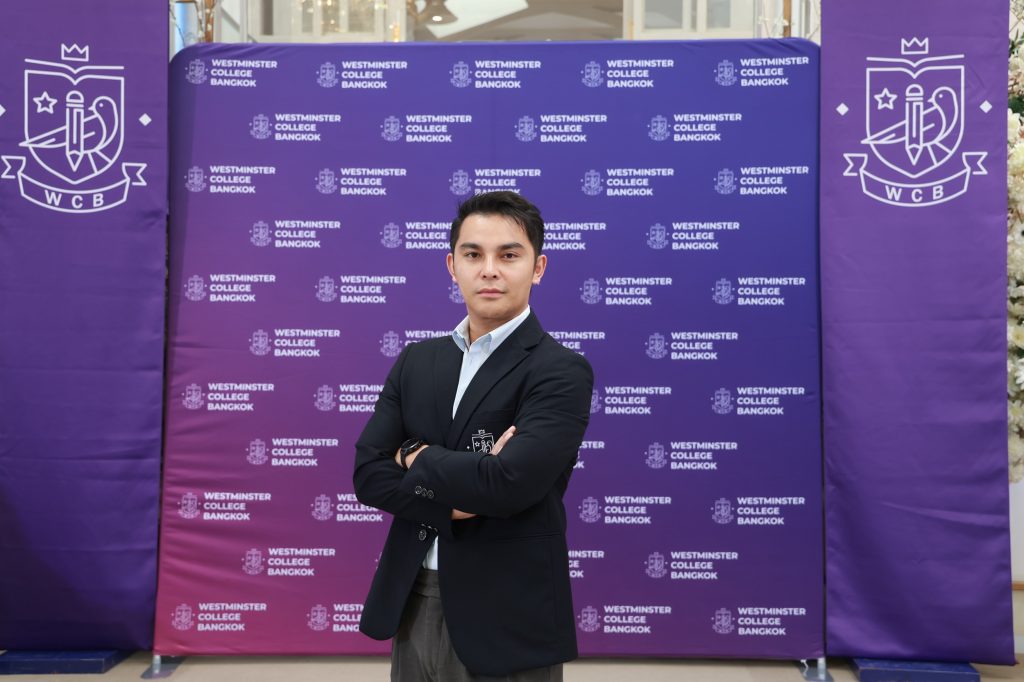
Mr. Treenat Jaiyasarn explained that the BTEC programme is built around Applied Learning and Project-Based Learning. Students complete projects, conduct research, analyse real-world issues, and produce tangible work that can be developed into a portfolio for university applications in both Thailand and overseas. The programme offers pathways including Business, Engineering, and Engineering & Design. Assessment is based on students’ actual work, while also developing the key skills demanded by the AI era, including critical thinking, communication, teamwork, and presentation skills.
Complete in One Year, But Not a Shortcut
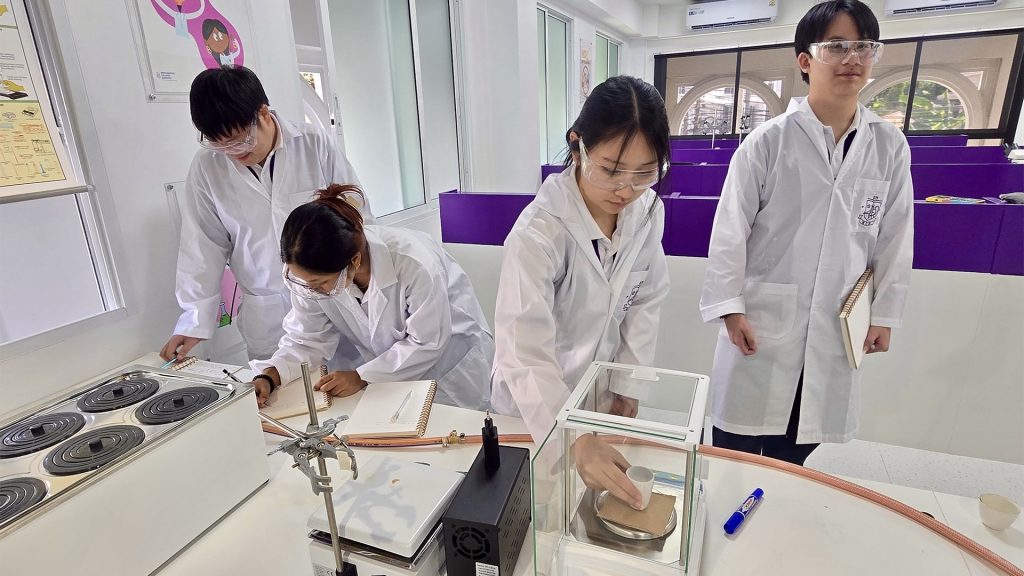
One of the questions most frequently raised is whether completing the programme within one year is too fast. Mr. Treenat Jaiyasarn, one of the founders of Westminster College Bangkok, explained that completing the programme in one year does not mean lowering academic standards or reducing the curriculum content. Rather, it is the result of designing the programme more efficiently while maintaining the academic standards set by Pearson, United Kingdom. Every student is assessed against the same criteria as learners studying the same qualification overseas, particularly when considering the actual number of learning hours.
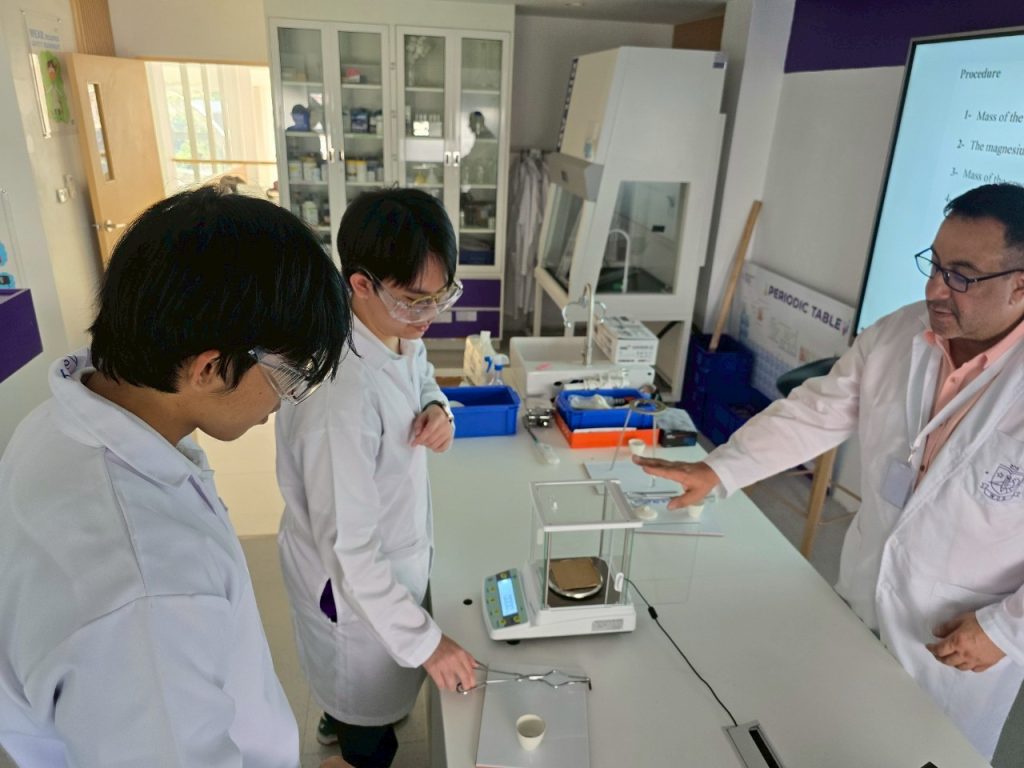
“Completing the programme in one year is not about lowering standards or shortening the curriculum. It is about designing learning more efficiently. If we calculate the actual instructional hours at upper secondary level, excluding examination periods and activities unrelated to the core curriculum, we find that the core academic content amounts to approximately 1,500 learning hours. There is no requirement for those hours to be spread over three years, provided that students have the readiness and capability to complete the programme successfully,” said Mr. Treenat Jaiyasarn.
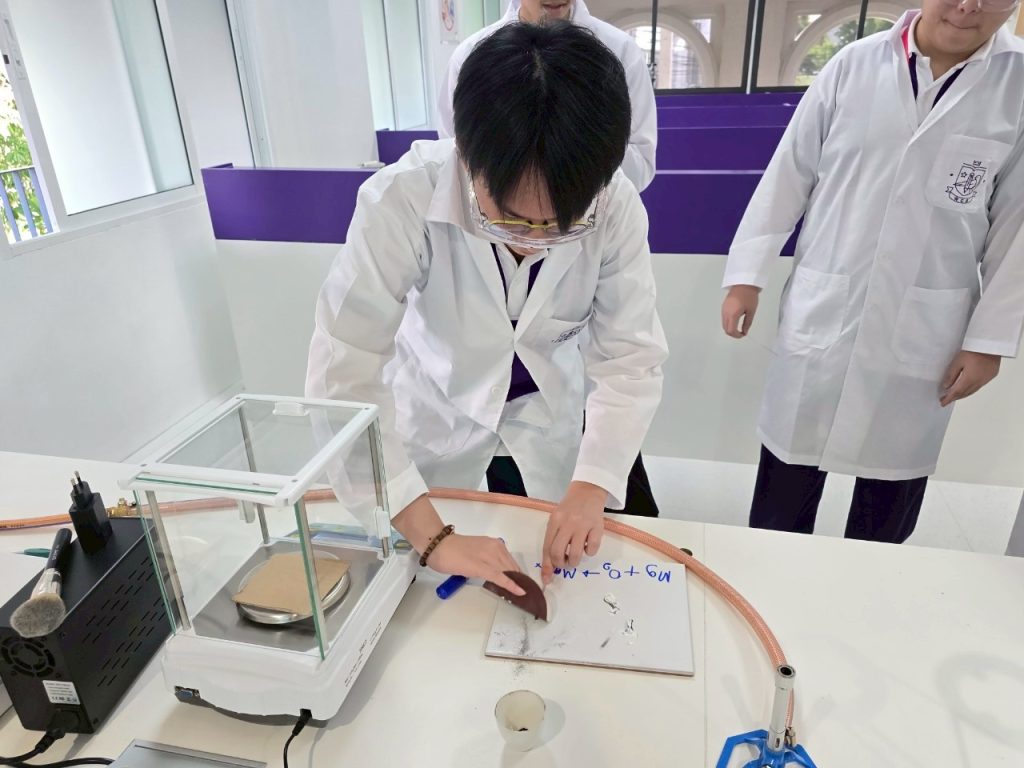
The Pearson BTEC International Level 3 Extended Diploma is recognised as equivalent to Thailand’s upper secondary school qualification (Mathayom 6). It can be used to apply for admission through Thailand’s TCAS university admissions system in accordance with the criteria set by the Council of University Presidents of Thailand (CUPT). The qualification is also recognised by universities across the United Kingdom, Europe, Australia, New Zealand, the United States, and Canada.
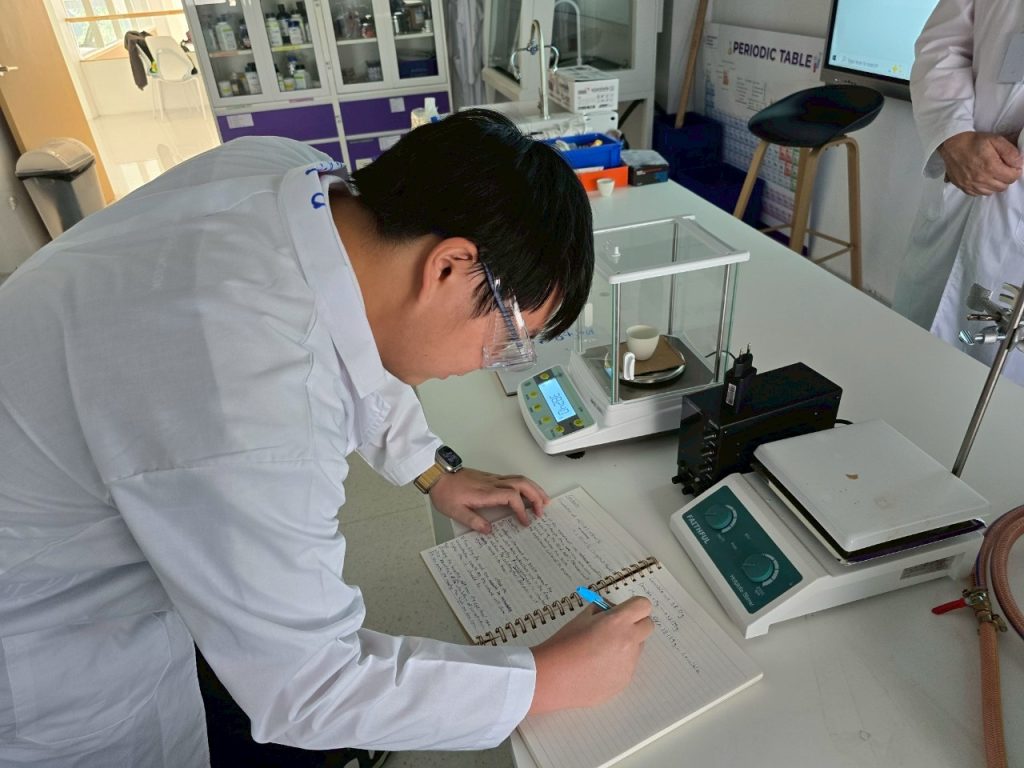
At present, students from Westminster College Bangkok have successfully progressed to leading universities, including Sirindhorn International Institute of Technology (SIIT), Thammasat University; Silpakorn University International College (SUIC); Srinakharinwirot University; King Mongkut’s University of Technology Thonburi (KMUTT); as well as universities in the United Kingdom and many other countries around the world.
The Future of Education Is Not One Size Fits All
Mr. Treenat Jaiyasarn emphasised that in the future, not every student needs to follow the same educational pathway. The world needs people with diverse talents rather than people who all arrive at the same answers. Westminster’s goal is not to help students graduate as quickly as possible, but to help each student discover the pathway that best suits their strengths and enables them to achieve their goals sooner.
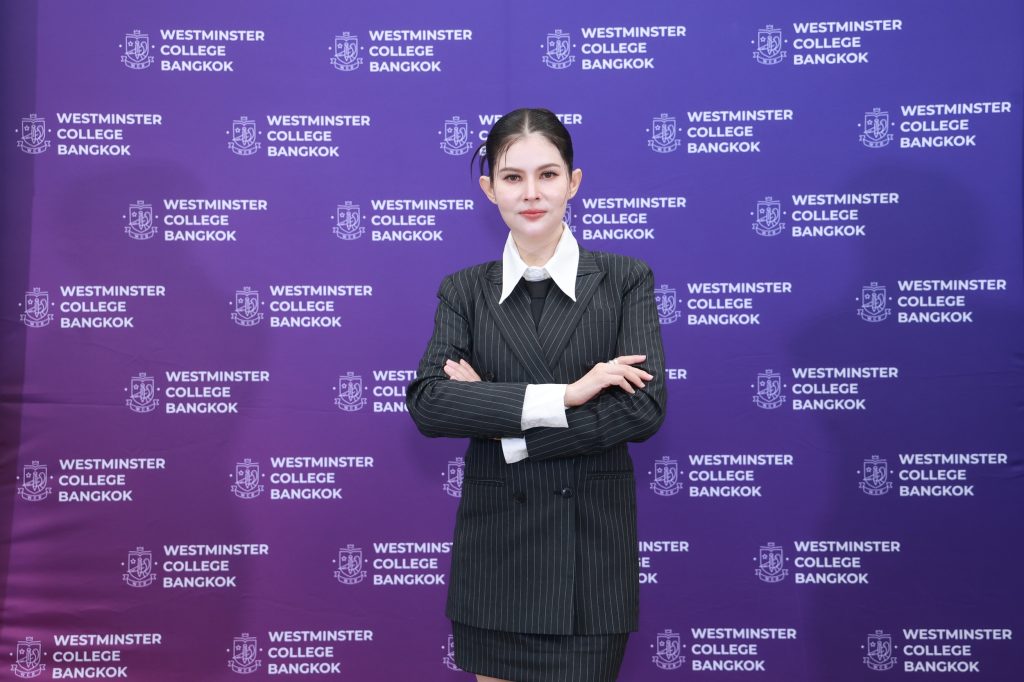
This philosophy also reflects the important role of parents and families in supporting children as they discover their own paths. Ms. Rungnapha Kaewsaihan, representing the parents’ perspective, said that a good education should not be measured by whether a child goes further than others, but by whether it enables each child to go as far as their own potential allows.
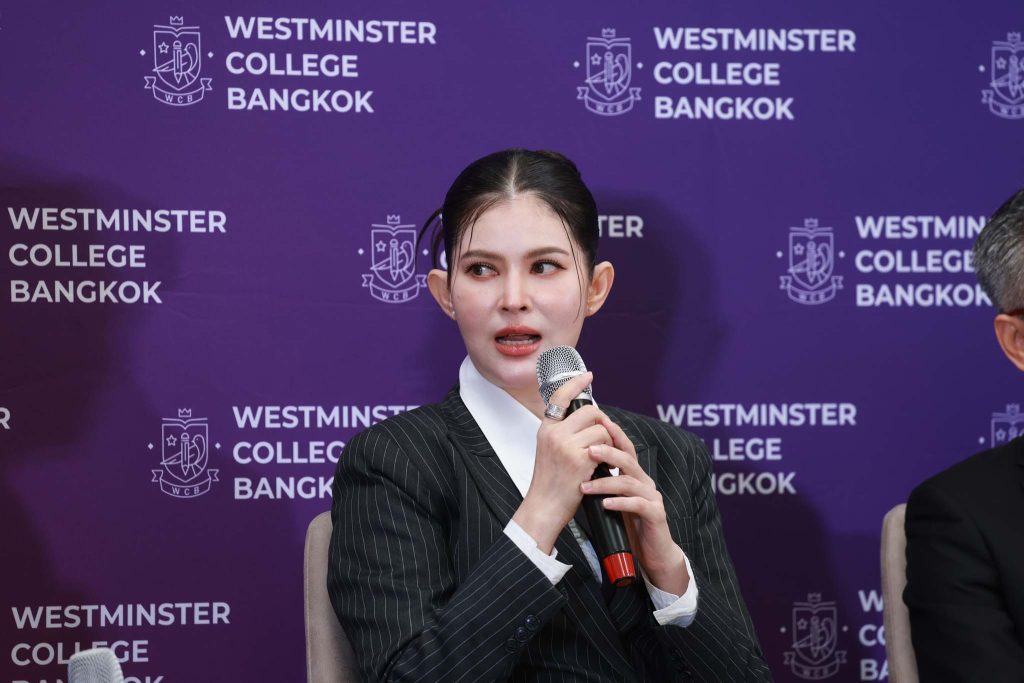
“Parents need to be truly present in their children’s lives. Our role is to help them understand the advantages and disadvantages of each path, not to decide their future for them. The time we spend alongside our children is precious, and once it has passed, it can never be regained,” said Ms. Rungnapha Kaewsaihan.
Ultimately, regardless of how advanced technology becomes, what gives learning its true meaning is the relationship between teachers and students.
“Students may forget the answers provided by AI, but they will never forget the inspiration given to them by a teacher. AI can understand enormous amounts of information, but it cannot understand the curiosity reflected in a child’s eyes,” added Assoc. Prof. Teerawat Prakobphon.
This reflects Westminster College Bangkok’s conclusion that the role of education in the AI era is to develop what technology cannot replace.
“The role of schools in the AI era is not to teach students to memorise information that can be found in seconds. It is to develop the skills that technology cannot replace—critical thinking, creativity, leadership, ethics, and a deep understanding of humanity. In a world where AI already knows almost every answer, quality education is no longer about teaching students to remember answers. It is about teaching them to ask meaningful questions, think independently, and create new value for society,” concluded Mr. Treenat Jaiyasarn.
Applications for the next intake are now open for students seeking an alternative pathway to university through applied learning.
For further information about the Pearson BTEC International Level 3 Extended Diploma at Westminster College Bangkok, please call +66 (0)99 261 3857 or visit www.westminster.ac.th/btec